
A Year Defined by Extremes
The Path of Stocks: From Euphoria to Whiplash
The early months of 2025 saw a significant boost in equity markets, primarily fueled by mega-cap technology and names associated with artificial intelligence. This resurgence evoked memories of prior surges related to technology, but the stability of this leadership proved to be fleeting. Periods of intense excitement around artificial intelligence, cloud computing, and semiconductor stocks were frequently followed by abrupt sell-offs when valuations seemed stretched or bond yields spiked.
As investors rotated their strategies, cyclicals, financials, and energy sectors briefly took the lead, benefiting from rising rates and robust growth. However, these gains were often erased as investors sought the perceived safety and structural growth of large tech companies during times of heightened macro uncertainty. Traders frequently described “gap-up Mondays” fueled by positive earnings reports or encouraging data releases, only to be followed by “fear-driven Fridays” triggered by geopolitical risks or policy surprises. While a buy-and-hold strategy ultimately rewarded patient investors, it required the ability to withstand considerable drawdowns and constantly adjust to shifting narratives about whether growth or recession, inflation or disinflation, would ultimately dominate the market outlook.
Bonds, Rates, and the Return of Duration Risk
One of the most significant lessons from 2025 was the resurgence of duration risk for fixed-income investors. Initially, many anticipated a smooth and predictable path of rate cuts and a steepening yield curve, leading to potential capital gains on longer-dated Treasuries. However, persistent inflation readings and a resilient labor market pushed yields higher, resulting in what one bond manager referred to as “mini tantrums” that punished those who had extended their positions out on the yield curve too aggressively.

Currency and Commodity Cross-Currents
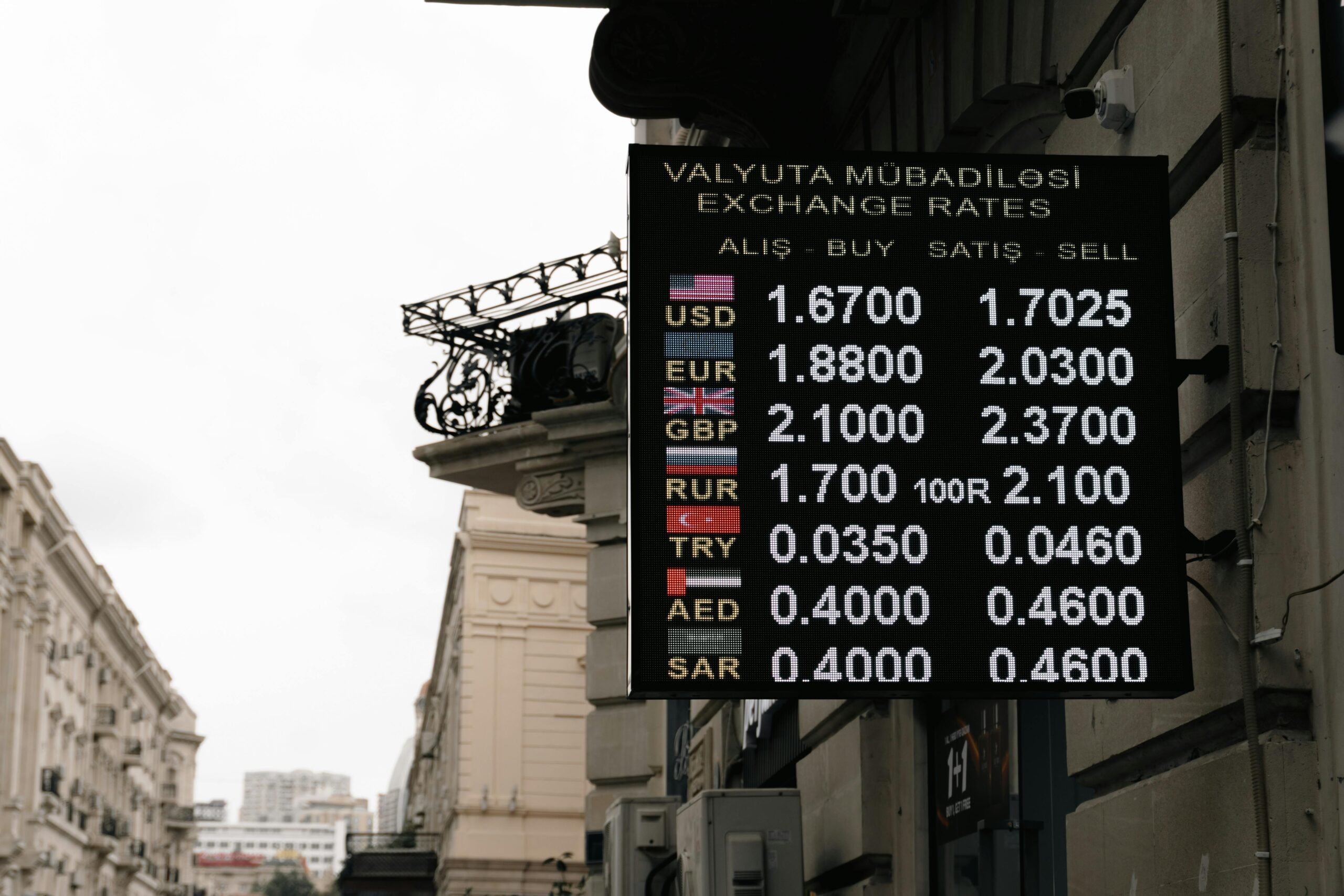
The year 2025 was marked by significant, albeit uneven, movements in currencies and commodities. These shifts were driven by differences in monetary policy approaches, varying growth expectations, and ongoing geopolitical risk. Traders recounted sharp rallies in the U.S. dollar when U.S. economic data surprised to the upside or when geopolitical conflicts fueled a demand for safe-haven assets. Conversely, periods arose when expectations of easing U.S. policy allowed other major currencies to recover.
In the commodity sector, energy markets reacted not only to decisions made by OPEC+ and inventory data but also to shipping disruptions, sanctions news, and shifting expectations for global economic growth. Metals and agricultural commodities experienced their own cyclical patterns, with hedging flows from producers and consumers amplifying price fluctuations. A commodities strategist noted that “nobody could stay complacent” because correlations that had held true for years frequently broke down when faced with new and unforeseen shocks.
Geopolitics, Policy Surprises, and the Narrative Roller Coaster
Yahoo Finance emphasized that geopolitics and policy surprises repeatedly disrupted market narratives throughout 2025. Investors were forced to process a constant stream of shifting headlines concerning global conflicts, trade tensions, and sanctions, in addition to domestic political developments affecting expectations for spending, taxation, and regulation. Announcements of large fiscal packages or new industrial policies sometimes sparked risk appetite in sectors expected to benefit, but this optimism was often tempered by concerns over deficits, debt sustainability, or potential regulatory backlash.
Central bank communication also played a crucial role, with single speeches or press conferences occasionally triggering large and widespread repricings across various asset classes. One strategist recalled that “every Fed day felt like an event risk again,” as markets attempted to interpret not just current decisions but also subtle shifts in the language used to describe the path ahead.
Personal Stories from the Trading Floor
What distinguished this piece were the personal recollections shared by traders, fund managers, and strategists who lived through the year’s tumultuous swings. Some recounted days when screens were dominated by red, yet they were compelled to increase their positions or hold through drawdowns because their underlying investment theses remained unchanged. Others described the emotional toll of being early – or wrong – on high-profile trades, such as betting against the AI rally prematurely or positioning for a deep recession that failed to materialize as expected.
One portfolio manager reflected that the most challenging aspect of 2025 wasn’t the volatility itself, but the constant need to explain to clients why portfolios might temporarily underperform a narrow group of market darlings. Another interviewee highlighted that humility became a survival skill, as even seasoned professionals found that “what worked last quarter stopped working overnight.” These anecdotes reinforced the article’s core idea that bravery on Wall Street in 2025 involved managing emotions, communication, and risk as much as selecting the right stocks or bonds.
Lessons Learned and Outlook Reflections
The article concluded by distilling several key lessons that Wall Street participants say they are taking from 2025. Firstly, risk management and position sizing proved more critical than broad macro calls, because even generally correct narratives could be derailed by timing errors or sudden shocks. Secondly, diversification could not be taken for granted, as traditional correlations between stocks and bonds, or between sectors, frequently broke down, compelling investors to re-evaluate their assumptions.
Finally, many of those interviewed argued that the year rewarded investors willing to be patient, disciplined, and occasionally contrarian, rather than chasing every short-term fluctuation. The phrase “you had to be brave” was used not to glorify reckless risk-taking, but to describe the psychological resilience required to stay invested, adhere to a reasoned strategy, and adapt thoughtfully in a year when markets repeatedly tested conviction.



Leave a Reply
You must be logged in to post a comment.